
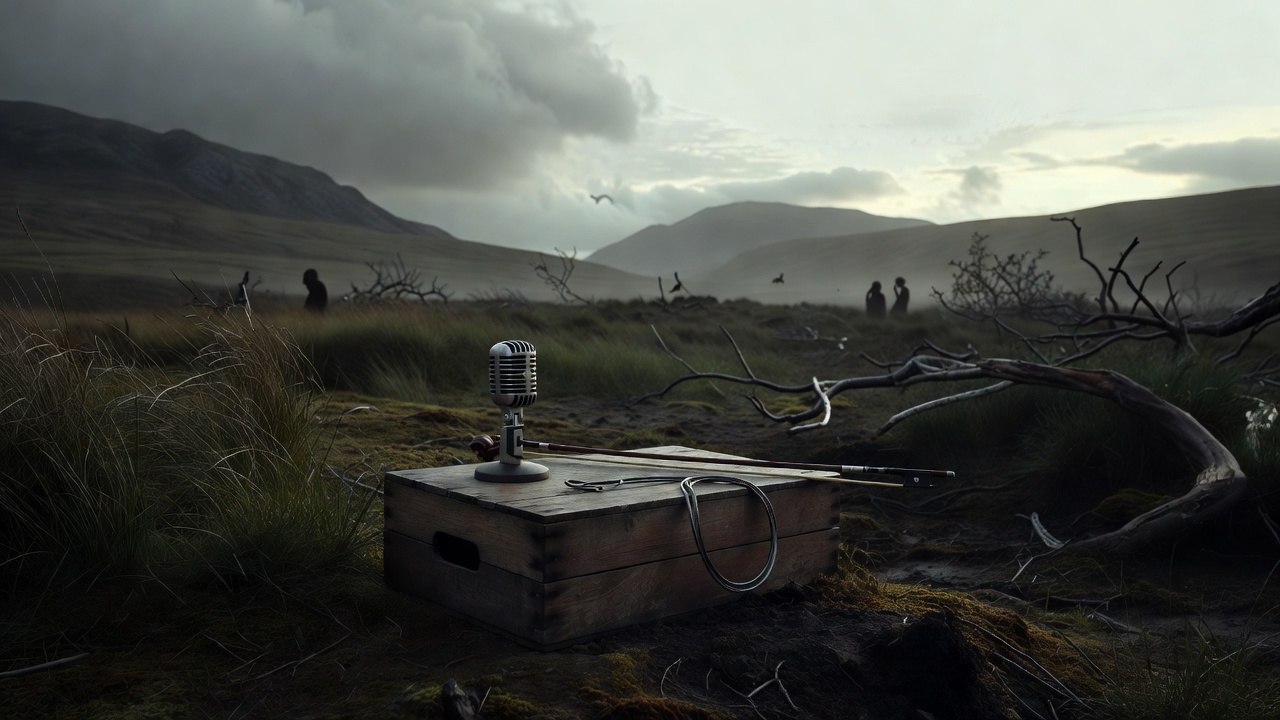
Irish singer Radie Peat's debut solo album, No Human Tongue Can Tell, takes centuries-old traditional ballads and strips away their antique gloss. Her stark, unadorned voice turns songs about gendered and political violence, unrequited love and indifferent fate into something immediate and unsettling.
A Voice Without Ornament
Peat sings without the vibrato or decorative flourishes associated with classical vocal training. Her flat, emotionless tone recalls the ballad singers who have carried these songs from Ireland to the Appalachian Mountains. That lineage is audible in "Willow Garden," a song that spread through American folk circles via Appalachian sources and is now only faintly remembered in Ireland, where it may have originated.
Lankum's Influence and a Wider Audience
Peat's solo work grows out of her role in Lankum, the Dublin-based band known for reinterpreting the Irish song canon with drone and metal sensibilities. Lankum were nominated for the Mercury Prize in 2023, and Peat has since appeared on projects with a much larger reach, including guest work on albums by the Irish republicanist group Kneecap. The record's approach also follows a path set by fiddler Martin Hayes, who reworked familiar tunes into slow, meditative explorations of melody.
Familiar Songs, Reframed
Many of the songs will be recognizable to listeners of traditional music. "Hares on the Mountain" draws on the version by British folk singer Shirley Collins, while "Still I Love Him" is a staple among Irish singers. Peat's own description of the project as "songs of female struggle, suffering, strength and endurance" frames how she reshapes material that can otherwise feel worn thin, giving it weight and anger.
What the Album Asks of Listeners
- Familiarity with Peat's earlier work in Lankum and her other bands is helpful but not required.
- The album rewards close listening to tone and restraint rather than melodic display.
- Its emotional force rests on the directness of the performances more than on any added production gloss.